The problem
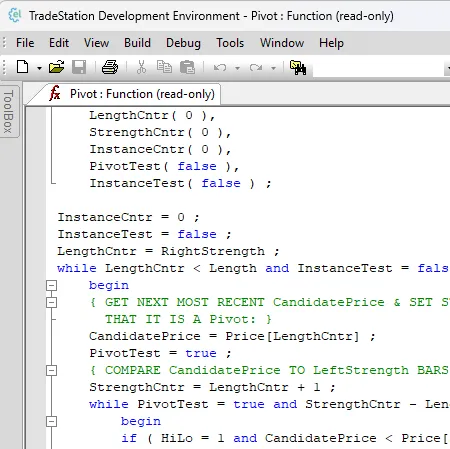
The client already had a working concept, but the existing code had grown difficult to maintain. The strategy logic, platform-specific behaviors, and old implementation decisions were tangled together enough that a direct translation would have been expensive and risky.
The real problem was not syntax. It was trust. The client could not confidently say which parts of the old build were core trading logic, which parts were historical workarounds, and which parts were platform baggage that should never survive a conversion.
Constraints
- The existing logic had to be understood before it could be moved.
- The target platform did not share the same order-handling and runtime assumptions.
- The client wanted a practical quote path, not a vague promise of “equivalent behavior.”
- The old code could not be treated as if every line deserved to survive the move.
Why direct conversion was the wrong move
Large legacy codebases often create a false sense of scope. It is easy to assume the project is “convert all of this,” when the smarter question is “which behavior is actually worth preserving?”
In this case, a direct translation would have risked:
- copying old bugs into the new environment
- preserving order-handling assumptions that no longer made sense
- paying for one-to-one code movement instead of a cleaner modern structure
- making the estimate larger without making the end product better
Solution
Moore Tech treated the work as a structured port instead of a literal rewrite. The first step was isolating the parts of the build that actually mattered:
- core trading rules
- setup and trigger behavior
- position management expectations
- platform-specific code that should not be copied forward
That made it possible to modernize the structure, remove dead weight, and scope the conversion around behavior instead of inherited code clutter.
The practical modernization work focused on:
- identifying what the strategy needed to do in plain trading terms
- reducing dependency on old platform conventions that would not translate cleanly
- separating signal generation from execution and trade-management assumptions
- creating a cleaner target for any future TradeStation, NinjaTrader, or cross-platform build
Outcome
The client got a cleaner target for the conversion and a much more defensible estimate of what the new platform version should cover. Instead of paying to move old problems into new code, the project moved forward with a tighter scope and more realistic expectations.
Just as important, the client got a better decision path:
- repair the existing logic where it still had value
- discard implementation baggage that only made the estimate noisier
- quote the conversion around observable behavior instead of file size
- move toward a modern codebase with fewer inherited liabilities
Confidentiality note
This case study reflects a real Moore Tech project, but the client identity, codebase, and strategy-specific logic have been anonymized.
If you are comparing repair versus rebuild or need help scoping a platform conversion, start with custom trading software services or request a quote.